

Unpaid Invoices in West Virginia: When Should Your Business Send a Demand Letter or File a Lawsuit?
When a customer refuses to pay a substantial business invoice in West Virginia, the problem can quickly become a threat to cash flow and operations. Learn how demand letters, breach-of-contract claims, commercial collection lawsuits, mechanics' liens, and negotiated settlements can help businesses evaluate their options for recovering unpaid obligations.
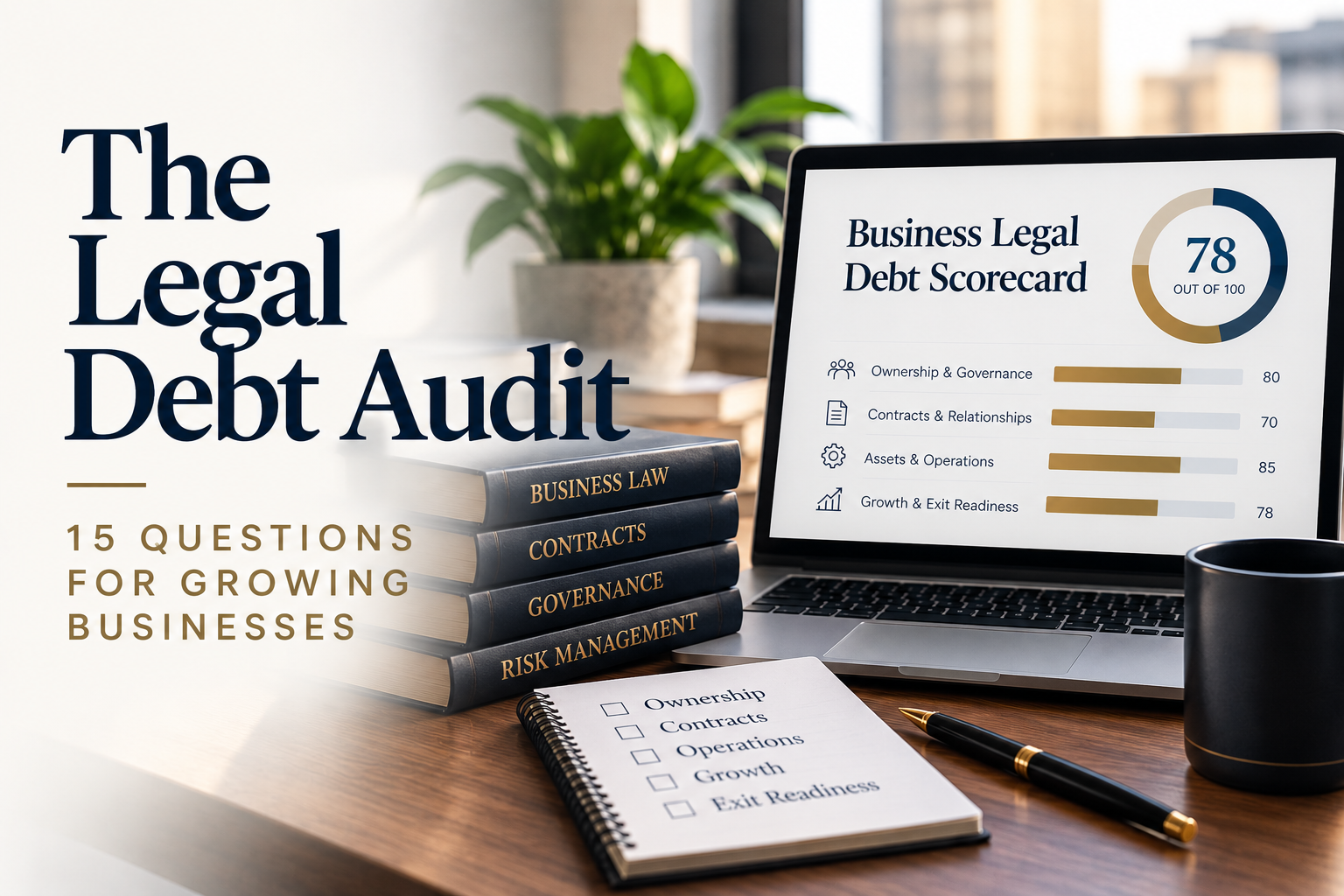
The Legal Debt Audit: 15 Questions Every Growing Business Should Answer
As businesses grow, their contracts, ownership documents, governance systems, and legal processes do not always keep pace. Use this 15-question Legal Debt Audit to identify potential gaps and then take our free Business Legal Debt Scorecard to see which areas may deserve a closer look.
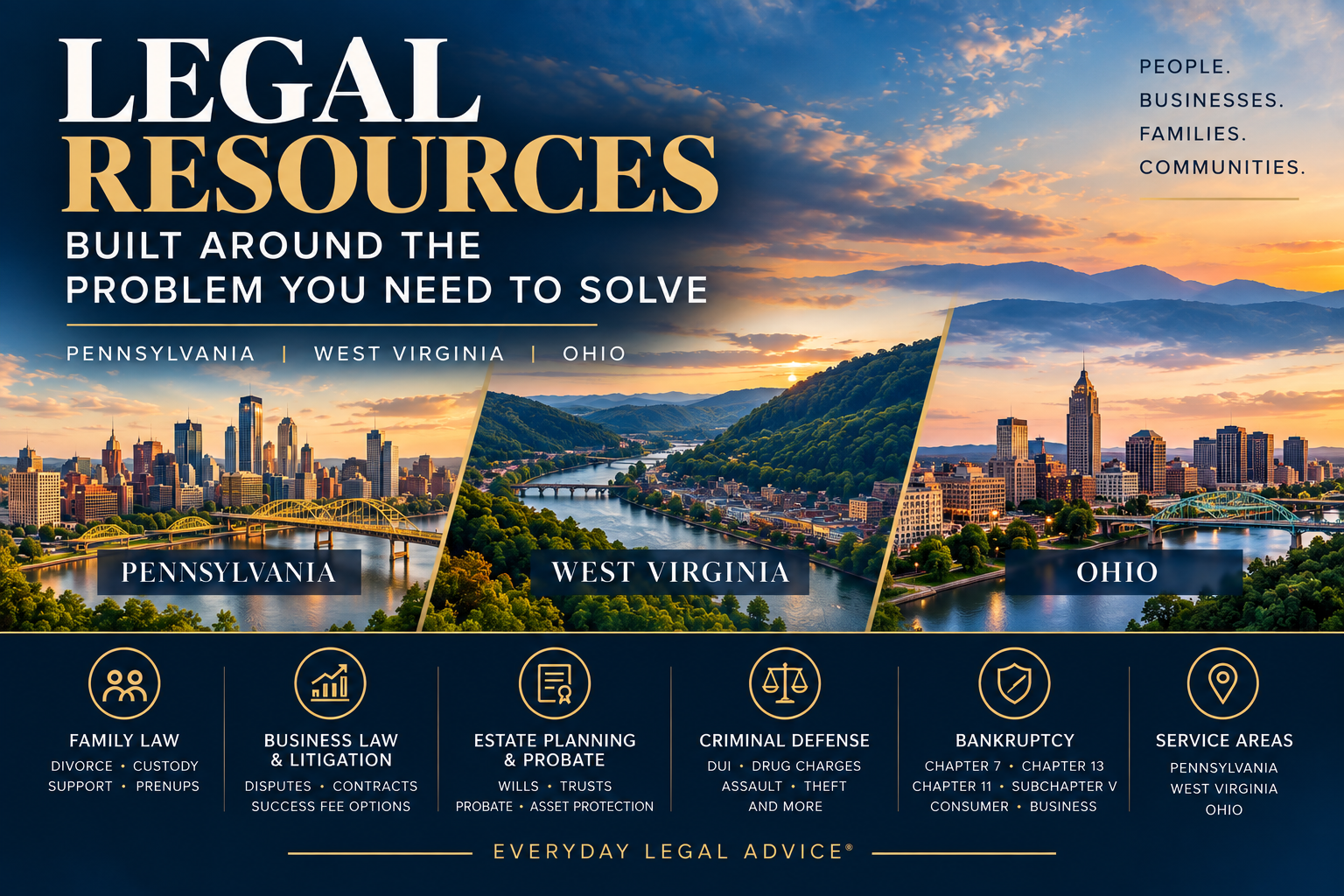
New Legal Resources for Pennsylvania, West Virginia & Ohio
Looking for legal help in Pennsylvania, West Virginia, or Ohio? Explore The Skeen Firm’s expanded resources for divorce and family law, business litigation, estate planning and probate, DUI and criminal defense, bankruptcy, legal fees, and local attorney services across PA, WV, and OH.

Your Business Dispute Is a Business Problem First and a Lawsuit Second
A business dispute is more than a legal problem. It can affect cash flow, customers, employees, management time, and future opportunities. Learn why effective business litigation starts with the company's objectives and how a practical litigation strategy can help small and middle-market businesses protect what they have built.

How to Dissolve an LLC in West Virginia: Voluntary Dissolution, Member Disputes, and Judicial Dissolution
When West Virginia LLC owners agree to close a business, dissolution may be straightforward. When members are deadlocked or one owner alleges oppressive or unfair conduct, West Virginia law provides additional remedies, including judicial dissolution under W. Va. Code § 31B-8-801.

Winning a Lawsuit Can Still Be a Bad Business Decision
Winning a lawsuit does not always mean winning for the business. Legal fees, management time, collectability, lost opportunities, and long-term business objectives can matter just as much as the verdict. Learn why smart business litigation strategy starts by defining what winning actually means.

Too Much Income for Legal Aid, But Can’t Afford a Lawyer? West Virginia’s Hidden Justice Gap
Many West Virginians earn too much to qualify for free legal help but still hesitate to hire a lawyer because of cost uncertainty. Here’s how early legal advice, predictable pricing, and different levels of representation may help close that gap.

A Business Dispute Is Getting Serious. What Should You Do Next?
A business dispute can become serious long before anyone files a lawsuit. Learn the practical steps business owners should take first, including reviewing the governing contract, building a timeline, preserving evidence, controlling communications, checking insurance, and defining what a successful outcome actually looks like.

The Warning Signs Most Businesses Ignore Before a Lawsuit
Most business lawsuits don't appear overnight. They usually begin with recurring operational problems, poor documentation, communication breakdowns, and issues leadership hopes will resolve themselves. Learn the warning signs that every business owner should recognize before a disagreement becomes expensive litigation.

How to Prevent Litigation After Buying a Small Business: 15 Steps Every Buyer Should Take
Many business acquisition disputes are preventable. This guide outlines 15 practical steps buyers can take before and after closing to reduce litigation risk, protect their investment, and avoid costly legal disputes. Whether you're buying a business in Pennsylvania, West Virginia, or Ohio, proactive planning can make all the difference.

Bought a Business? The 10 Most Common Post-Acquisition Litigation Issues
Buying a small business should create opportunity, not unexpected legal disputes. Learn the ten most common litigation issues buyers face after closing, including seller fraud, contract disputes, earn-out litigation, non-compete violations, and hidden liabilities. Discover practical strategies to protect your investment before and after an acquisition.

When Business Fraud Becomes a Civil RICO Claim
Not every business fraud case qualifies as civil RICO. This article explains when repeated misconduct, coordinated schemes, and direct financial harm may turn a commercial dispute into a federal racketeering claim.

The Viral JPMorgan Employment Lawsuit: What Employers in Pennsylvania, West Virginia, and Ohio Can Learn
The viral JPMorgan employment lawsuit highlights critical risks involving workplace investigations, retaliation claims, and HR compliance. Learn what employers in Pennsylvania, Ohio, and West Virginia should know.