
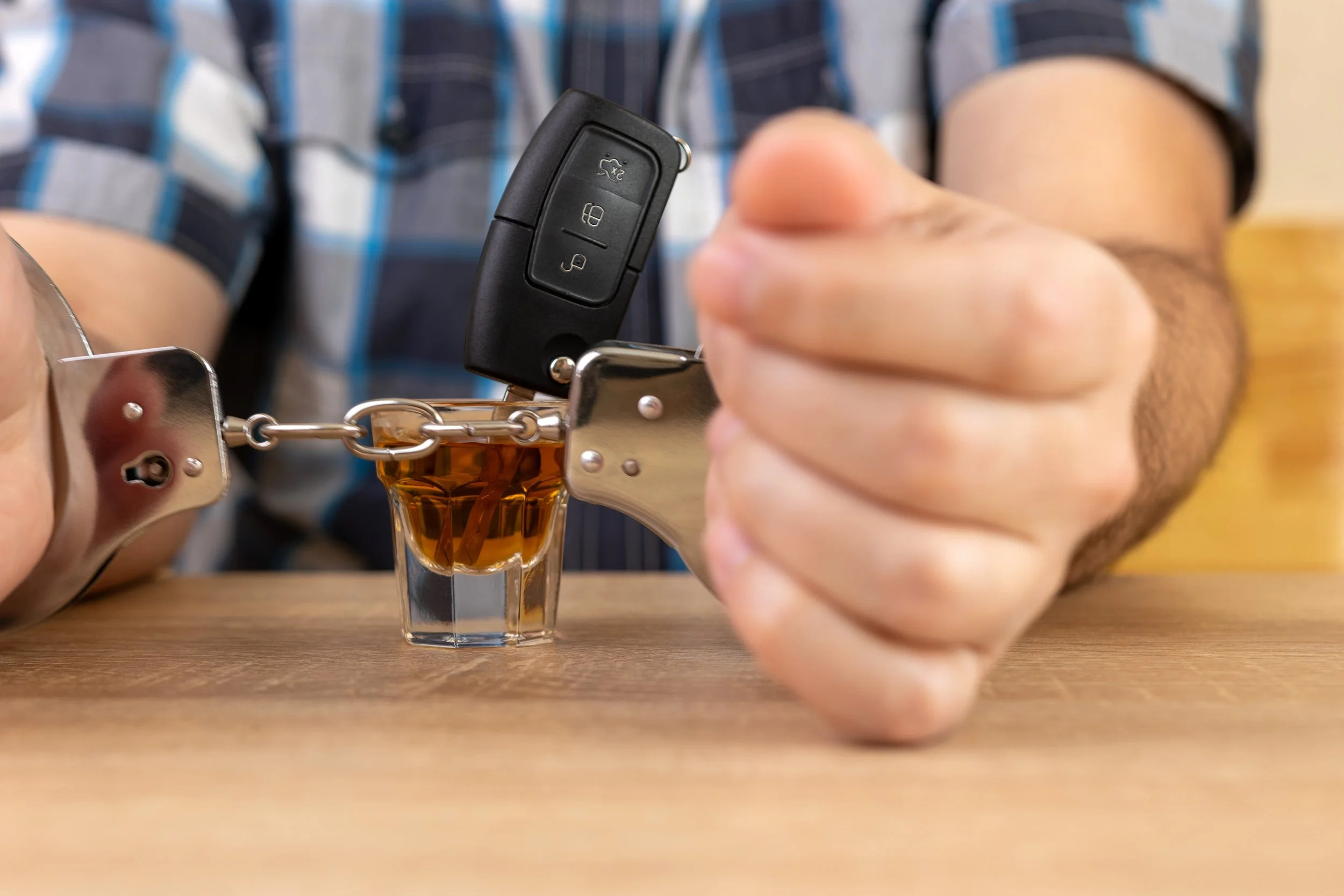
What Happens After a DUI Arrest in Pennsylvania
Arrested for DUI in Pennsylvania? Learn what happens next, from the traffic stop through court proceedings. The Skeen Firm helps clients in Washington, Beaver, and Butler County.

What Happens After a DUI Arrest in Pennsylvania
A DUI arrest in Pennsylvania can leave you with a lot of questions and not many answers. For most people, the hardest part in the beginning is not knowing what happens next.
If you were arrested for DUI in Washington County, Beaver County, or Butler County, understanding the process can help you make better decisions early in your case.
At The Skeen Firm, we help clients across Western Pennsylvania understand the criminal process and build a practical defense strategy.
The DUI Process in Pennsylvania
While every case is different, most Pennsylvania DUI cases move through a series of common stages.
1. Traffic Stop and Investigation
Most DUI cases begin with a traffic stop. The officer may claim to have observed something like speeding, weaving, or another traffic violation. From there, the officer may begin a DUI investigation.
During this stage, the officer may ask questions about where you were, whether you were drinking, and how much you had to drink. They may also ask you to perform field sobriety tests.
2. Arrest
If the officer believes there is enough evidence, you may be placed under arrest for DUI.
An arrest is not the same thing as a conviction. It is the beginning of the criminal process, not the end of it.
3. Chemical Testing
After arrest, police may request a breath test or blood test. These tests often become a major part of the case.
In Pennsylvania, DUI cases often involve questions about whether testing procedures were handled properly and whether the evidence is reliable.
4. Preliminary Arraignment
After arrest, you may go through a preliminary arraignment. This is usually where the court addresses the charges, advises you of your rights, and sets bail conditions if necessary.
5. Preliminary Hearing
At the preliminary hearing, the prosecution must present enough evidence to move the case forward. This is an important stage because it gives your defense lawyer an early opportunity to examine the case.
6. Pretrial Proceedings
After the preliminary hearing, the case may move into pretrial proceedings. This stage can involve reviewing evidence, filing motions, negotiating possible resolutions, and evaluating defense strategy.
7. Resolution or Trial
Some DUI cases are resolved through negotiation or diversionary options. Others may require motions hearings or trial. The right approach depends on the facts, the evidence, and your goals.
What Evidence Matters in a DUI Case?
DUI cases often depend heavily on procedure. Important issues may include:
- Why the vehicle was stopped
- What the officer observed
- How field sobriety tests were administered
- Whether probable cause existed for arrest
- How breath or blood testing was handled
- Whether your rights were respected during the process
Small details can matter. A DUI defense lawyer will often review the stop, the testing, and the overall investigation for weaknesses.
What Should You Do After a DUI Arrest?
If you have been arrested for DUI, there are a few practical steps you should take right away:
- Keep all paperwork from police and the court
- Write down what happened as soon as possible
- Avoid discussing your case with anyone except your lawyer
- Speak with a criminal defense attorney early
The earlier you get legal advice, the sooner you can begin evaluating the evidence and planning your next steps.
Charged With DUI in Western Pennsylvania?
If you were arrested for DUI in Washington County, Beaver County, or Butler County, The Skeen Firm can help you understand the process and your options.
Learn more about our criminal defense services.
Call The Skeen Firm: (724) 250-8841
Schedule a consultation
Disclaimer: This article is for general informational purposes only and does not constitute legal advice. Results and fee structures vary by matter and are subject to a written agreement.
First-Time DUI in Pennsylvania: What to Expect
Charged with a first-time DUI in Pennsylvania? Learn what to expect, possible penalties, ARD, and next steps. The Skeen Firm helps clients in Washington, Beaver, and Butler County.
First-Time DUI in Pennsylvania: What to Expect
A first-time DUI arrest in Pennsylvania can feel overwhelming. For most people, this is unfamiliar territory, and the biggest problem is not knowing what happens next.
If you were charged with DUI in Washington County, Beaver County, or Butler County, it is important to understand the process early so you can make informed decisions about your case.
At The Skeen Firm, we provide straightforward legal guidance for people facing criminal charges in Western Pennsylvania.
What Happens After a First-Time DUI Arrest in PA?
While every case is different, a first-time DUI case in Pennsylvania usually involves several stages:
- Traffic stop and investigation
- Arrest
- Chemical testing
- Preliminary arraignment
- Preliminary hearing
- Pretrial proceedings
- Resolution through dismissal, negotiation, diversion, or trial
The details of your case matter. What the officer observed, how the stop happened, and whether proper procedures were followed can all affect the outcome.
Possible Penalties for a First-Time DUI in Pennsylvania
Penalties in Pennsylvania depend on several factors, including your alleged blood alcohol level, whether there was an accident, and whether there are any aggravating circumstances.
A first-time DUI may involve consequences such as:
- License suspension
- Fines and court costs
- Probation
- Alcohol highway safety school
- Treatment requirements
- Possible jail time in some cases
Even for a first offense, the consequences can affect your job, finances, and ability to drive.
Can a First-Time DUI Be Reduced or Dismissed?
Sometimes. A DUI charge is not automatic proof of guilt.
A defense lawyer may examine:
- Whether the traffic stop was lawful
- Whether probable cause existed
- Whether field sobriety testing was properly administered
- Whether breath or blood testing procedures were followed correctly
- Whether your rights were violated during the investigation
In some cases, problems with the evidence or police procedures may create opportunities to challenge the case.
What Is ARD for a First-Time DUI in Pennsylvania?
Some first-time offenders may be eligible for Accelerated Rehabilitative Disposition (ARD), which is a diversionary program available in certain Pennsylvania DUI cases.
ARD may help eligible individuals avoid a conviction and, in some cases, pursue expungement after successful completion. Eligibility depends on the facts of the case and the policies of the local county.
Whether ARD is available in your case is something you should discuss with a DUI defense attorney as early as possible.
What Should You Do After a First-Time DUI?
If you have been charged with DUI, a few early steps can make a difference:
- Do not discuss the case with anyone except your lawyer
- Save any paperwork you received from police or the court
- Write down what happened while it is still fresh in your mind
- Speak with a defense attorney as soon as possible
The earlier you get legal guidance, the earlier you can begin evaluating your defense options.
Charged With a First-Time DUI in Western Pennsylvania?
If you are facing a first-time DUI charge in Washington County, Beaver County, or Butler County, The Skeen Firm can help you understand what comes next and what options may be available.
Learn more about our criminal defense services.
Call The Skeen Firm: (724) 250-8841
Schedule a consultation
Disclaimer: This article is for general informational purposes only and does not constitute legal advice. Results and fee structures vary by matter and are subject to a written agreement.
The Skeen Firm 2021 Holiday Primer
It’s the most wonderful time of the year! Sure, the holiday season is great and all, but it is time for the annual Skeen Firm Holiday Primer. Your yearly gift guide of how to holiday the right and legal way. While we do not guarantee results by any means, we wish you a happy, safe, and lawyer-free holiday season.
The Skeen Firm 2021 Holiday Primer
It’s the most wonderful time of the year! Sure, the holiday season is great and all, but it is time for the annual Skeen Firm Holiday Primer. Your yearly gift guide of how to holiday the right and legal way. While we do not guarantee results by any means, we wish you a happy, safe, and lawyer-free holiday season.
Easy Ebenezer
The holidays are no time for misers. So, before you go full Scrooge remember that no other period of the year embodies the spirit of giving more than December. We have discussed giving and taxes in the last two holiday primers and will skip re-hashing the subject, because a broken record is a terrible record. If you need a review, though feel free to click the following links (2020 Holiday Primer and Initial Holiday Primer). Long story short, give until it hurts and then give some more!
Party Time
Holiday parties are making a comeback this year. We hope you are as excited to see colleagues, friends, and family as we are, but remember that drinking and driving is always a terrible idea. The legal limit in Pennsylvania is .08. Pennsylvania classifies DUIs into three tiers: general impairment, high rate, and highest rate. These tiers add penalties depending on the number of offenses. When combined they determine the sentence and fines associated with a DUI. Talk about a serious buzz kill.
Heated Holiday
Holiday parties are not the only events making a comeback. Many families are preparing to resume large gatherings this year. We implore you to check your temper at the door. While you’re at it, check your politics, religion, and any other nonsense, regardless of your beliefs, at the door, too. Focus on family and fun!
There is never a good time for a domestic issue so keep that in mind while you are attending family celebrations. Sure, there is a lot of stress at this time in everyone’s lives. Do not let that stress escalate a situation to fisticuffs or worse. It is safe to assume that no one wants an assault, battery (or both) case either civil or criminal as a gift this holiday season. Save that for Springer.
Mental Miracle
The past 20 or so months were hard on everyone. Pandemic-related stress coupled with holiday stress can show itself in a number of ways, whether through panic attacks, or withdrawal from anxiety or depression. It is especially important to pay attention to your own mental health during the holidays, but perhaps the best gift we can give is to look out for one another. Asking questions, genuinely caring, and helping your family and friends will do more for them than anything material. Like the holidays, these actions are priceless, but free.
So, as we close our annual primer we hope you enjoy one another. Please, be kind to everyone you meet. And give freely of your time and money.
If you do not head this advice, feel free to call us at 724-550-6970 or email us at info@theskeenfirm.com. We will help you with your holiday humbugs.
*Disclaimer: this article is for informational purposes only. It is not providing legal advice. It does not create an attorney-client relationship.
Pulled Over for Suspected DUI? The Importance of Understanding Both Miranda and O’Connell Warnings in Relation to Implied Consent
While you’ve heard of the Miranda warnings, do you know what the O’Connell warnings are? The O’Connell warnings are read when an officer arrests you for suspected DUI and requests you submit to a chemical test to determine the amount of alcohol or detect the presence of a controlled substance in your system
Pennsylvania is an implied consent state. So, what does that mean if a police officer arrests you for driving under the influence? Generally, any person who operates a vehicle in Pennsylvania is deemed to have given consent to chemical tests to determine the amount of alcohol or the presence of a controlled substance in his blood.[1]
Miranda warnings remind an individual detained by a police officer of his constitutional rights, specifically his Fifth Amendment privilege against self-incrimination and the Sixth Amendment right to counsel. If you’ve ever watched an episode of Law & Order or Live PD, you’ve likely heard the Miranda warnings given.
“You have the right to remain silent. Anything you say can and will be used against you in a court of law. You have the right to an attorney. If you cannot afford an attorney, one will be appointed for you.”[2]
No doubt these statements sound familiar to you. You may even be able to recite them from memory. But, what about these statements?
You are under arrest for driving under the influence of alcohol or controlled substance. You are being requested to submit to a chemical test. If you refuse to submit to the chemical test, your operating privilege will be suspended for at least one year. If you refuse to submit to the chemical test, and you are convicted of or plead to driving under the influence, you will be subject to more severe penalties. You have no right to remain silent or speak to an attorney or anyone else before deciding whether to submit to testing. Any request to speak with an attorney or anyone else or remaining silent will constitute a refusal to submit to chemical testing.[3]
While you’ve heard of the Miranda warnings, do you know what the O’Connell warnings are? The O’Connell warnings are read when an officer arrests you for suspected DUI and requests you submit to a chemical test to determine the amount of alcohol or detect the presence of a controlled substance in your system.
You may be thinking, “Wait! My license will be suspended for at least one year? I can be in more trouble if I don’t submit to the test?” Yes. While you have the privilege of not incriminating yourself, your license will be for a minimum of one year if you do not submit to the chemical test because of your implied consent – the consent you granted when you drove a vehicle in Pennsylvania.
It’s been said that the best defense is a good offense. If you are going out and plan on consuming alcoholic beverages, make a plan. Arrange for a designated, sober driver or utilize a ride share service, such as Uber or Lyft. If you find yourself driving home after imbibing and see blue lights in your rearview mirror, remember two things.
Silence is golden. Respectfully decline to answer any questions. If a police officer pulls you over for suspicion of DUI, you will likely be arrested, regardless of what you say. Your quick wit and charm may have gotten you out of a speeding ticket, but they will not save you from a DUI charge. The less you tell the officer, the better. There’s no need to tell the officer if you’ve been drinking or how many drinks you’ve had.
Cooperate. Don’t refuse to submit to a chemical test. Given the fact that Pennsylvania is an implied consent state, your refusal to submit to a chemical test will result in a suspended license, even if you are found not guilty in a criminal court. If a chemical test is not administered properly, your attorney may be able to dispute the validity of the results. If the police officer requests that you submit to a field sobriety test, remember that physical limitations are relevant. Be sure to inform the police officer of any physical limitations you have or have had in the past, prior to performing any field sobriety test. If you have suffered an injury in the past or are currently injured, you may be unable to perform the walk and turn or one leg stand test.
No one ever plans on the night ending with a trip to the police station. What you can plan on is being prepared and knowing the best way to handle a complex situation. Remember the differences between the Miranda warnings and the O’Connell warnings. Should you find yourself facing a DUI charge, consider contacting The Skeen Firm. Let us help you navigate the criminal justice system and protect your rights.
*Disclaimer: this article is for informational purposes only. It is not providing legal advice. It does not create an attorney-client relationship.
[1] 75 Pa. C.S.A. §1547
[2] Miranda v. Arizona, 384 US 436 (1966).
[3] Commonwealth v. O’Connell, 521 Pa. 242, 555 A.2d 873 (1989) (emphasis added)
The gift tax and other humbugs that can ruin the holidays – A primer
As we move through the various holidays recognized in December it is important to remember that charity, humanity, and family are the reason the holidays exist in the first place. Enjoy one another. Be kind to everyone you meet.
However, merriment is not always present this month and that is where this article will focus. First and foremost, let’s address the spirit of giving. No other period of the year embodies the spirit of giving more than the month of December. To give is to freely transfer possession of something (property) to someone else.
As the old saying goes though, nothing is free. In fact, the IRS has special tax treatment for gifts. What was that, taxes on gifts? Yes, that is correct. Per the Tax Code there is a tax on any transfer of property from one individual to another. Talk about a serious holiday downer. Thankfully there is an exemption available to save the spirit of giving. In fact, the exemption covers up to $15,000 worth of gifts annually. So give and give big!
Also, as a reminder, please have a designated driver lined up or use a ride share for any holiday parties you plan on attending this season. The legal limit in Pennsylvania is .08, but that is just the tip of the troubled iceberg. DUIs are divided into three tiers: general impairment, high rate, and highest rate. These tiers determine the sentence associated with a DUI arrest. In short, you will have a lot less money for the giving mentioned above if you are pulled over and charged with a DUI. Further, driving impaired is the equivalent of playing roulette with not only your fate but also everyone else. It is best to leave roulette to the casinos because playing the road version produces zero winners.
Finally, everyone should focus on leaving family feuds to the television show. There is never a good time for a domestic issue so keep that in mind while you are attending family dinners. Sure there is a lot of stress at times in everyone’s lives. Do not let that stress escalate a situation to fisticuffs or worse. It is safe to assume that no one wants an assault, battery (and/or both) case either civil or criminal as a gift this holiday season. So do your best to avoid these situations or topics that could create tensions.
If by chance you do not head this advice, feel free to call us at 724-550-6970 or email us at info@theskeenfirm.com. We would be glad to speak with you to help you through your holiday humbugs.
*Disclaimer: the advice provided is for informational purposes and is not intended as legal advice. It should not be relied on, nor construed as creating an attorney-client relationship.