
Criminal Defense Brocton Skeen Criminal Defense Brocton Skeen

Drug Possession First Offense

Charged with drug possession in Pennsylvania? Learn what a first offense means and what happens next.

A first-time drug possession charge in Pennsylvania can create uncertainty and stress, especially if you have never been involved in the criminal justice system before.

If you were charged in Washington County, Beaver County, or Butler County, it is important to understand what the charge means and what may happen next.

Common Drug Possession Charges

  • Possession of a controlled substance
  • Possession of drug paraphernalia

The specific charge depends on the substance, the amount involved, and the circumstances of the case.

Possible Consequences

A first offense may involve:

  • Fines and court costs
  • Probation
  • Mandatory programs or treatment
  • A criminal record

Diversion Programs

Some individuals may qualify for diversionary programs depending on the facts of the case and prior history.

These programs may provide an opportunity to resolve the case without a traditional conviction, but eligibility varies.

Why Early Legal Guidance Matters

Drug possession cases often involve issues such as search and seizure, probable cause, and evidence handling. These details can affect the strength of the case.

Reviewing the situation early can help identify possible defenses or alternative outcomes.

Serving Washington County, Beaver County, and Butler County.

Criminal defense services

Disclaimer: This article is for general informational purposes only and does not constitute legal advice. Results and fee structures vary by matter and are subject to a written agreement.

Read More
Criminal Defense Brocton Skeen Criminal Defense Brocton Skeen

Domestic Violence Charges in Pennsylvania: What Happens Next?

Facing domestic violence charges in Pennsylvania? Learn what happens next, including PFA orders and court process. Serving Western PA.

Being charged with a domestic violence-related offense in Pennsylvania can be overwhelming. These cases often move quickly, and the consequences can begin immediately—even before a final outcome in court.

If you are facing charges in Washington County, Beaver County, or Butler County, understanding what happens next can help you make better decisions early in the process.

What Counts as Domestic Violence in Pennsylvania?

Pennsylvania does not have a single charge labeled “domestic violence.” Instead, the term is used to describe certain criminal charges involving family members, spouses, or people in a relationship.

Common charges may include:

  • Simple assault
  • Harassment
  • Terroristic threats
  • Stalking

Protection From Abuse (PFA) Orders

In many domestic-related cases, a court may issue a Protection From Abuse (PFA) order. This is separate from the criminal case and can have immediate effects.

A PFA may:

  • Restrict contact with another person
  • Require you to leave your home
  • Impact custody arrangements
  • Restrict firearm possession

What Happens After Charges Are Filed?

The process typically includes:

  1. Preliminary arraignment
  2. Bail conditions
  3. Preliminary hearing
  4. Pretrial proceedings
  5. Resolution or trial

These cases often move faster than other criminal matters, making early legal guidance important.

Why Early Action Matters

Domestic-related cases can affect housing, employment, and family relationships almost immediately. Decisions made early in the process can impact the direction of the case.

If you are facing charges in Western Pennsylvania, it is important to understand your rights and your options as soon as possible.

Bad night. Strong defense.

Learn more about criminal defense
Call: 724-250-8841

Serving Washington County, Beaver County, and Butler County, Pennsylvania.

Disclaimer: This article is for general informational purposes only and does not constitute legal advice. Results and fee structures vary by matter and are subject to a written agreement.

Read More
Criminal Defense Brocton Skeen Criminal Defense Brocton Skeen

Blood Test DUI in Pennsylvania: What You Need to Know

Charged with a blood test DUI in Pennsylvania? Learn how blood testing works, common issues, and what may affect your case. Serving Washington, Beaver, and Butler County.

Blood Test DUI in Pennsylvania: What You Need to Know

Many DUI cases in Pennsylvania involve blood testing instead of breath testing. While blood tests are often treated as strong evidence, they are not always as straightforward as they seem.

If you were charged with a DUI in Washington County, Beaver County, or Butler County, understanding how blood test cases work can help you better evaluate your situation.

At The Skeen Firm, we provide Everyday Legal Advice® to help clients understand the real issues behind DUI charges.

How Blood Tests Are Used in Pennsylvania DUI Cases

Blood tests are used to measure alcohol or controlled substances in a driver’s system.

These tests are often performed after an arrest and may take place at a hospital or medical facility.

Unlike breath tests, blood testing involves multiple steps—each of which must be handled correctly.

What Has to Go Right for a Blood Test to Hold Up

A blood test result depends on more than just the number reported. Several steps must be handled properly:

  • Proper collection of the blood sample
  • Use of appropriate equipment and procedures
  • Correct labeling and documentation
  • Secure storage and transportation
  • Accurate laboratory testing

If something goes wrong at any stage, it may raise questions about the reliability of the result.

Chain of Custody: Why It Matters

In blood test DUI cases, the prosecution must show a clear chain of custody.

This means documenting who handled the sample at every stage—from collection to testing.

Gaps or inconsistencies in this chain can become important issues in a defense.

Common Issues in Blood Test DUI Cases

Blood test cases can involve a number of technical and procedural questions, including:

  • Whether the blood draw was performed properly
  • Whether proper procedures were followed during testing
  • Whether the sample was contaminated or mishandled
  • Whether the results were accurately recorded and reported
  • Whether delays affected the accuracy of the result

These issues can affect how the evidence is interpreted in court.

Timing and Blood Alcohol Levels

Timing can also play a role in DUI cases involving blood tests.

Alcohol levels can change over time, which may raise questions about what a driver’s blood alcohol level was at the actual time of driving versus when the sample was taken.

Do Blood Tests Automatically Prove DUI?

No. A blood test is just one piece of evidence in a DUI case.

Other factors—such as how the stop occurred, what the officer observed, and how the investigation was handled—can also play a role.

Why Legal Review Matters in Blood Test Cases

Because these cases often involve technical details, early legal review can be important.

A defense lawyer may examine:

  • How the traffic stop occurred
  • Whether probable cause existed
  • How the blood sample was handled
  • Whether testing procedures were followed correctly
  • Whether any rights were violated during the process

Charged With a Blood Test DUI in Western Pennsylvania?

If you are facing a DUI charge involving blood testing in Washington County, Beaver County, or Butler County, The Skeen Firm can help you understand your situation and your options.

Learn more about our criminal defense services.

Bad night. Strong defense.

Call The Skeen Firm: (724) 250-8841
Schedule a consultation

Serving Washington County, Beaver County, and Butler County, Pennsylvania.

Disclaimer: This article is for general informational purposes only and does not constitute legal advice. Results and fee structures vary by matter and are subject to a written agreement

Read More
Criminal Defense Brocton Skeen Criminal Defense Brocton Skeen

DUI Checkpoints in Pennsylvania: Your Rights

Stopped at a DUI checkpoint in Pennsylvania? Learn your rights, what to expect, and how these stops affect DUI cases. Serving Washington, Beaver, and Butler County.

DUI Checkpoints in Pennsylvania: Your Rights and What to Expect

DUI checkpoints are used throughout Pennsylvania, including in Washington County, Beaver County, and Butler County. If you have never gone through one, it can feel confusing and stressful.

Understanding how DUI checkpoints work—and what your rights are—can help you avoid making mistakes that could affect your case.

At The Skeen Firm, we provide Everyday Legal Advice® to help you navigate real-world situations like this with clarity and confidence.

Are DUI Checkpoints Legal in Pennsylvania?

Yes. DUI checkpoints are generally legal in Pennsylvania, but only if they are conducted properly.

Law enforcement must follow certain guidelines, including:

  • Using a neutral formula to stop vehicles (not random targeting)
  • Providing advance public notice of the checkpoint
  • Keeping stops brief and minimally intrusive

If these requirements are not followed, it may raise legal issues in a DUI case.

What Happens When You Go Through a DUI Checkpoint?

When you approach a checkpoint, traffic is usually slowed or stopped. An officer may ask for:

  • Your driver’s license
  • Vehicle registration
  • Proof of insurance

The officer may also ask basic questions and observe your behavior, speech, and appearance.

If the officer believes there are signs of impairment, they may direct you to a secondary area for further investigation.

What Are Your Rights at a DUI Checkpoint?

Even at a checkpoint, you still have important constitutional rights.

You Have the Right to Remain Silent

You do not have to answer questions such as:

  • “Have you been drinking?”
  • “Where are you coming from?”
  • “How much have you had to drink?”

You can politely decline to answer these questions.

You Must Provide Basic Documents

You are required to provide:

  • Driver’s license
  • Registration
  • Proof of insurance

You Do Not Have to Consent to Searches

If an officer asks to search your vehicle, you can say no.

However, there are situations where police may still conduct a search based on other legal grounds.

Can You Avoid a DUI Checkpoint?

In many cases, drivers may legally turn away from a checkpoint—as long as they do so safely and do not violate any traffic laws.

However, making an illegal turn or driving erratically to avoid a checkpoint can give police a reason to stop your vehicle.

What Happens If You Are Directed to Secondary Screening?

If an officer believes there are signs of impairment, you may be directed to a secondary area.

At that point, the officer may:

  • Ask additional questions
  • Request field sobriety tests
  • Continue the DUI investigation

What happens during this stage can become a key part of the case.

Why DUI Checkpoint Cases Can Be Challenged

DUI checkpoint cases are not always straightforward.

A defense lawyer may examine:

  • Whether the checkpoint followed legal guidelines
  • How vehicles were selected for stops
  • How long drivers were detained
  • What the officer observed and documented
  • How the investigation was conducted

If procedures were not followed properly, it may affect the strength of the case.

Charged With DUI After a Checkpoint?

If you were arrested after a DUI checkpoint in Washington County, Beaver County, or Butler County, early legal guidance can help you understand your options.

Learn more about our criminal defense services.

Bad night. Strong defense.

Call The Skeen Firm: (724) 250-88410
Schedule a consultation

Disclaimer: This article is for general informational purposes only and does not constitute legal advice. Results and fee structures vary by matter and are subject to a written agreement

Read More
Criminal Defense Brocton Skeen Criminal Defense Brocton Skeen

Refusing a Chemical Test in Pennsylvania: What Happens?

What happens if you refuse a breath or blood test in PA? Learn about implied consent and license consequences.

Refusing a Chemical Test in Pennsylvania: What Happens?

If you are arrested for DUI in Pennsylvania, you may be asked to submit to a breath or blood test. Many drivers wonder what happens if they refuse.

If your case is in Washington County, Beaver County, or Butler County, understanding Pennsylvania’s implied consent law is critical.

Pennsylvania’s Implied Consent Law

Under Pennsylvania law, drivers are considered to have given consent to chemical testing if they are lawfully arrested for DUI.

This means refusing a test can lead to consequences—even outside of the criminal case.

Possible Consequences of Refusal

  • License suspension
  • Use of refusal as evidence in court
  • Additional penalties in some cases

These consequences can apply even if you are not ultimately convicted of DUI.

Why These Cases Can Be Complex

Issues such as whether the arrest was lawful, whether proper warnings were given, and how the request was handled can all matter in a refusal case.

Charged With DUI in Western Pennsylvania?

If you are facing DUI charges in Washington, Beaver, or Butler County, The Skeen Firm can help you understand your options.

Learn more about criminal defense services.

Call: (724) 250-8841

Disclaimer: This article is for general informational purposes only and does not constitute legal advice. Results and fee structures vary by matter and are subject to a written agreement.

Read More
Criminal Defense Brocton Skeen Criminal Defense Brocton Skeen

Should You Talk to Police Without a Lawyer?

Should you talk to police without a lawyer? Learn your rights and risks in Pennsylvania criminal investigations. Serving Washington, Beaver, and Butler County.

Should You Talk to Police Without a Lawyer?

When police want to ask questions, many people feel pressure to cooperate and explain their side of the story. It is common to believe that talking will clear things up quickly.

In reality, speaking with police without a lawyer can create serious risks—especially in a criminal investigation.

If you are dealing with law enforcement in Washington County, Beaver County, or Butler County, it is important to understand your rights.

At The Skeen Firm, we help individuals across Western Pennsylvania navigate these situations with clear, practical guidance.

You Have the Right to Remain Silent

Under the Constitution, you have the right to remain silent and the right to have an attorney present during questioning.

This applies whether you are under arrest or simply being questioned.

Why Talking Can Be Risky

Statements made to police can be used as evidence later.

Even statements that seem harmless—such as trying to explain what happened—can be misunderstood or taken out of context.

Once something is said, it cannot be taken back.

What You Should Say Instead

If police ask to speak with you, you can respectfully say:

“I am invoking my right to remain silent and I would like to speak with an attorney.”

After that, stop answering questions.

What If You Haven’t Been Arrested?

Even if you are not under arrest, statements can still be used against you.

If police contact you for questioning, it is often best to speak with a lawyer before agreeing to any interview.

What Should You Do Next?

If you are contacted by police or believe you may be under investigation:

  • Do not answer questions without legal advice
  • Do not try to explain your side of the story
  • Politely invoke your right to remain silent
  • Contact a defense attorney as soon as possible

Early legal guidance can help protect your rights and prevent avoidable mistakes.

Need Legal Guidance in Western Pennsylvania?

If you are dealing with a criminal investigation in Washington County, Beaver County, or Butler County, The Skeen Firm can help you understand your options.

Learn more about our criminal defense services.

Call The Skeen Firm: 724-250-8841
Schedule a consultation

Disclaimer: This article is for general informational purposes only and does not constitute legal advice. Results and fee structures vary by matter and are subject to a written agreement.

Read More
Criminal Defense Brocton Skeen Criminal Defense Brocton Skeen

Misdemeanor vs Felony in Pennsylvania: What’s the Difference?

Learn the difference between misdemeanor and felony charges in Pennsylvania, including penalties and what they mean for your case. Serving Washington, Beaver, and Butler County.

Misdemeanor vs Felony in Pennsylvania: What’s the Difference?

If you’ve been charged with a crime in Pennsylvania, one of the first questions you may have is whether the charge is a misdemeanor or a felony—and what that actually means.

If your case is in Washington County, Beaver County, or Butler County, understanding the difference can help you better understand the potential consequences.

At The Skeen Firm, we help clients across Western Pennsylvania break down criminal charges into clear, practical terms.

What Is a Misdemeanor in Pennsylvania?

Misdemeanors are generally considered less serious criminal offenses than felonies, but they can still carry significant consequences.

In Pennsylvania, misdemeanors are typically graded as:

  • M1 (First-Degree Misdemeanor)
  • M2 (Second-Degree Misdemeanor)
  • M3 (Third-Degree Misdemeanor)

Possible consequences of a misdemeanor may include:

  • Jail time (in some cases)
  • Fines
  • Probation
  • A permanent criminal record

Even though misdemeanors are considered “less serious,” they can still affect employment, housing, and future opportunities.

What Is a Felony in Pennsylvania?

Felonies are more serious criminal charges and carry more severe penalties.

Felonies in Pennsylvania are typically graded as:

  • F1 (First-Degree Felony)
  • F2 (Second-Degree Felony)
  • F3 (Third-Degree Felony)

Felony charges may involve:

  • Longer potential jail or prison sentences
  • Higher fines
  • More serious long-term consequences

Because of the stakes involved, felony charges often require a detailed defense strategy early in the case.

Why the Difference Matters

The classification of a charge can affect:

  • Potential penalties
  • Court procedures
  • Long-term consequences
  • Available defense strategies

Understanding how your charge is graded is one of the first steps in evaluating your case.

Can Charges Be Reduced?

In some cases, charges may be reduced depending on the evidence and circumstances.

A defense lawyer may examine:

  • The strength of the evidence
  • Witness credibility
  • Procedural issues
  • Possible defenses

Early legal review can help identify opportunities to improve the outcome of a case.

Charged With a Crime in Western Pennsylvania?

If you are facing misdemeanor or felony charges in Washington County, Beaver County, or Butler County, The Skeen Firm can help you understand your situation and your options.

Learn more about our criminal defense services.

Call The Skeen Firm: (724) 250-8841
Schedule a consultation

Disclaimer: This article is for general informational purposes only and does not constitute legal advice. Results and fee structures vary by matter and are subject to a written agreement.

Read More
Criminal Defense Brocton Skeen Criminal Defense Brocton Skeen

What Happens at a Preliminary Hearing in Pennsylvania?

Facing criminal charges in Pennsylvania? Learn what happens at a preliminary hearing and why it matters. The Skeen Firm helps clients in Washington, Beaver, and Butler County.
What Happens at a Preliminary Hearing in Pennsylvania?

If you have been charged with a crime in Pennsylvania, one of the first important court dates in your case may be the preliminary hearing. For many people, this is the first time they begin to understand how the criminal process actually works.

If you are facing charges in Washington County, Beaver County, or Butler County, knowing what happens at a preliminary hearing can help you feel more prepared.

At The Skeen Firm, we help clients across Western Pennsylvania understand each stage of the criminal process and what it may mean for their case.

What Is a Preliminary Hearing?

A preliminary hearing is an early stage in a Pennsylvania criminal case. Its purpose is not to decide guilt or innocence.

Instead, the court looks at whether the prosecution has presented enough evidence to move the case forward.

This is a much lower standard than what would be required to convict someone at trial.

What Happens During the Hearing?

At the preliminary hearing, the prosecution may present basic evidence to support the charges. This may include:

  • Testimony from a police officer
  • Testimony from an alleged victim or witness
  • Basic facts about the investigation
  • Evidence intended to show that a crime was committed and that the accused may have committed it

The judge then decides whether the case should be held for court and continue through the criminal process.

What a Preliminary Hearing Does Not Decide

A preliminary hearing is not a trial. The judge is not deciding whether you are guilty beyond a reasonable doubt.

Instead, the issue is whether the prosecution has shown enough evidence to justify moving the case forward.

Why a Preliminary Hearing Matters

Even though it is not a trial, the preliminary hearing can still be an important stage of the case.

It may give the defense an early opportunity to:

  • Hear the prosecution’s version of events
  • Evaluate witness testimony
  • Identify weaknesses in the evidence
  • Preserve testimony for later use
  • Begin shaping defense strategy

In some cases, charges may be withdrawn, reduced, or dismissed if the evidence is not strong enough.

What Should You Do Before a Preliminary Hearing?

If you have a preliminary hearing coming up, preparation matters.

A few practical steps include:

  • Keep all paperwork related to your case
  • Make sure you know the date, time, and location of court
  • Do not discuss the facts of the case with others
  • Speak with your defense lawyer ahead of the hearing
  • Ask questions so you understand what to expect

What Happens After a Preliminary Hearing?

If the case is held for court, it usually moves into the next stage of the criminal process. That may include formal arraignment, pretrial motions, negotiations, and possibly trial.

What happens next depends on the charges, the evidence, and the defense strategy.

Charged With a Crime in Western Pennsylvania?

If you are facing criminal charges in Washington County, Beaver County, or Butler County, The Skeen Firm can help you understand what happens next and how to prepare for court.

Learn more about our criminal defense services.

Call The Skeen Firm: (724) 250-8841
Schedule a consultation

Disclaimer: This article is for general informational purposes only and does not constitute legal advice. Results and fee structures vary by matter and are subject to a written agreement.

Read More
Criminal Defense Brocton Skeen Criminal Defense Brocton Skeen

Do You Have to Take a Field Sobriety Test in Pennsylvania?

Stopped for DUI in Pennsylvania? Learn how field sobriety tests work, what can affect them, and why they matter in your case. The Skeen Firm helps clients in Washington, Beaver, and Butler County.
Do You Have to Take a Field Sobriety Test in Pennsylvania?

If you are stopped on suspicion of DUI in Pennsylvania, you may be asked to perform field sobriety tests on the side of the road. Many drivers assume they have to do whatever the officer asks. In reality, the situation is often more complicated.

If you were stopped in Washington County, Beaver County, or Butler County, it is important to understand how field sobriety tests work and why they matter in a DUI case.

At The Skeen Firm, we help clients across Western Pennsylvania understand their rights and build practical DUI defense strategies.

What Are Field Sobriety Tests?

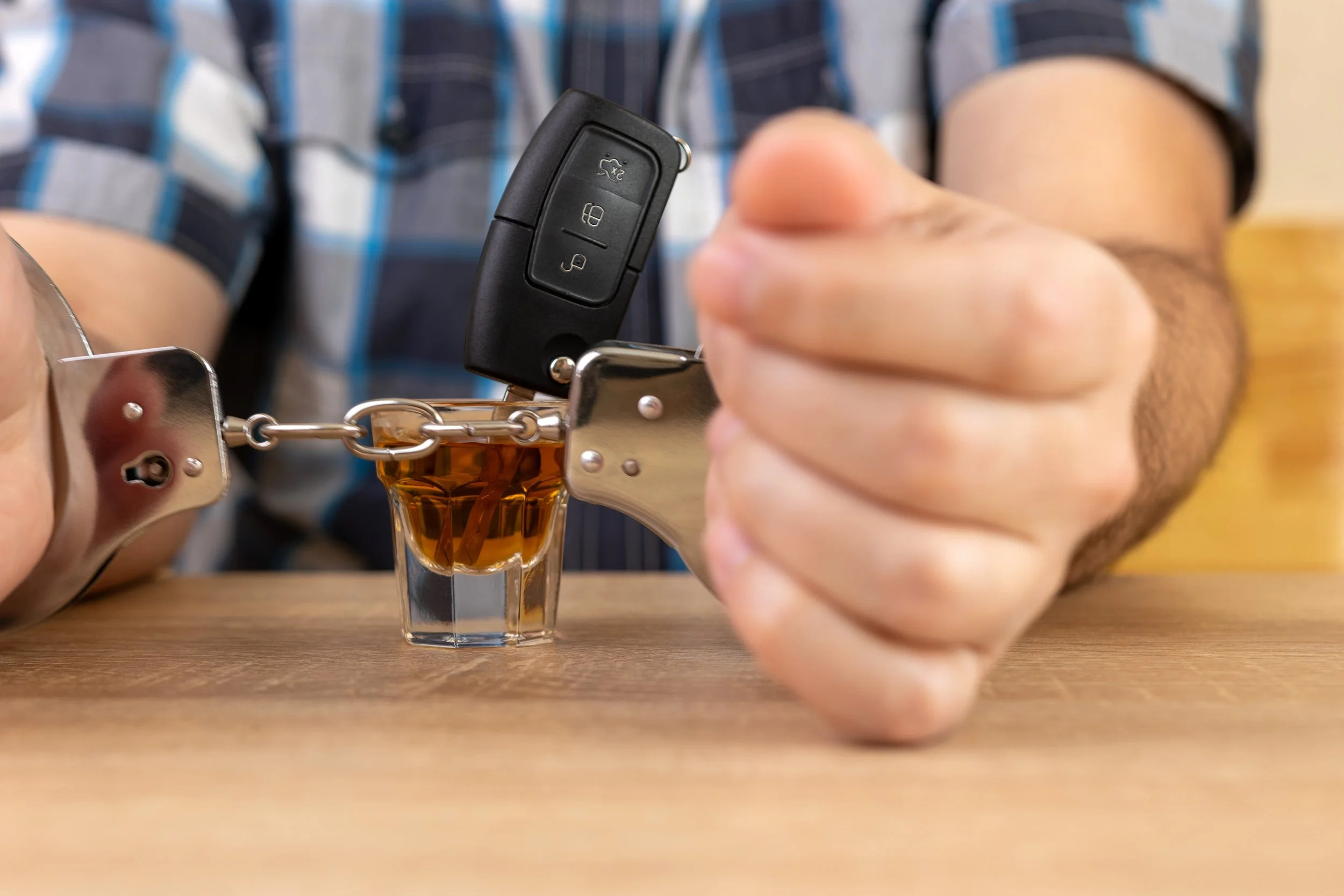
Field sobriety tests are roadside exercises officers often use during a DUI investigation. These tests are meant to help an officer decide whether they believe a driver is impaired.

Common field sobriety tests include:

  • Walk-and-Turn
  • One-Leg Stand
  • Horizontal Gaze Nystagmus

These tests may sound simple, but they rely on balance, coordination, focus, physical condition, and the environment around you.

Are Field Sobriety Tests Always Reliable?

No. Field sobriety tests are not perfect, and many factors can affect performance.

A person may struggle with these tests because of:

  • Uneven pavement or poor road conditions
  • Bad weather
  • Fatigue
  • Nervousness or anxiety
  • Age
  • Prior injuries
  • Medical or neurological conditions
  • Problems with balance or coordination

In other words, poor performance on a roadside test does not always prove impairment.

Why Field Sobriety Tests Matter in a DUI Case

Police officers often rely on field sobriety tests to justify an arrest for DUI. Prosecutors may also use the officer’s observations later in court.

That means these tests can become an important part of the evidence, especially if the case also involves breath or blood testing.

A DUI defense lawyer may review:

  • How the tests were explained
  • How the tests were administered
  • Whether the officer properly documented the results
  • Whether physical limitations or outside conditions affected performance

Physical Limitations Can Affect Field Sobriety Tests

This is one of the most important issues in many DUI cases.

If you have any physical limitations, old injuries, back pain, knee problems, balance issues, or medical conditions, those issues can affect how you perform on roadside testing.

If an officer asks you to perform field sobriety tests, you should make sure the officer is aware of any relevant physical limitations.

What Should You Do After a DUI Stop?

If you were investigated for DUI, there are a few practical steps to take as soon as possible:

  • Write down everything you remember about the stop
  • Make note of the road conditions, weather, and lighting
  • Document any injuries or medical conditions that may have affected balance or coordination
  • Keep any paperwork you received
  • Speak with a DUI defense attorney early

The details of the stop can matter, and early legal review can help identify potential defenses.

Charged With DUI in Western Pennsylvania?

If you were arrested for DUI in Washington County, Beaver County, or Butler County, The Skeen Firm can help you understand your options and evaluate the evidence against you.

Learn more about our criminal defense services.

Call The Skeen Firm: (724) 250-8841
Schedule a consultation

Disclaimer: This article is for general informational purposes only and does not constitute legal advice. Results and fee structures vary by matter and are subject to a written agreement.

Read More
Criminal Defense Brocton Skeen Criminal Defense Brocton Skeen

What Happens After a DUI Arrest in Pennsylvania

Arrested for DUI in Pennsylvania? Learn what happens next, from the traffic stop through court proceedings. The Skeen Firm helps clients in Washington, Beaver, and Butler County.

What Happens After a DUI Arrest in Pennsylvania

A DUI arrest in Pennsylvania can leave you with a lot of questions and not many answers. For most people, the hardest part in the beginning is not knowing what happens next.

If you were arrested for DUI in Washington County, Beaver County, or Butler County, understanding the process can help you make better decisions early in your case.

At The Skeen Firm, we help clients across Western Pennsylvania understand the criminal process and build a practical defense strategy.

The DUI Process in Pennsylvania

While every case is different, most Pennsylvania DUI cases move through a series of common stages.

1. Traffic Stop and Investigation

Most DUI cases begin with a traffic stop. The officer may claim to have observed something like speeding, weaving, or another traffic violation. From there, the officer may begin a DUI investigation.

During this stage, the officer may ask questions about where you were, whether you were drinking, and how much you had to drink. They may also ask you to perform field sobriety tests.

2. Arrest

If the officer believes there is enough evidence, you may be placed under arrest for DUI.

An arrest is not the same thing as a conviction. It is the beginning of the criminal process, not the end of it.

3. Chemical Testing

After arrest, police may request a breath test or blood test. These tests often become a major part of the case.

In Pennsylvania, DUI cases often involve questions about whether testing procedures were handled properly and whether the evidence is reliable.

4. Preliminary Arraignment

After arrest, you may go through a preliminary arraignment. This is usually where the court addresses the charges, advises you of your rights, and sets bail conditions if necessary.

5. Preliminary Hearing

At the preliminary hearing, the prosecution must present enough evidence to move the case forward. This is an important stage because it gives your defense lawyer an early opportunity to examine the case.

6. Pretrial Proceedings

After the preliminary hearing, the case may move into pretrial proceedings. This stage can involve reviewing evidence, filing motions, negotiating possible resolutions, and evaluating defense strategy.

7. Resolution or Trial

Some DUI cases are resolved through negotiation or diversionary options. Others may require motions hearings or trial. The right approach depends on the facts, the evidence, and your goals.

What Evidence Matters in a DUI Case?

DUI cases often depend heavily on procedure. Important issues may include:

  • Why the vehicle was stopped
  • What the officer observed
  • How field sobriety tests were administered
  • Whether probable cause existed for arrest
  • How breath or blood testing was handled
  • Whether your rights were respected during the process

Small details can matter. A DUI defense lawyer will often review the stop, the testing, and the overall investigation for weaknesses.

What Should You Do After a DUI Arrest?

If you have been arrested for DUI, there are a few practical steps you should take right away:

  • Keep all paperwork from police and the court
  • Write down what happened as soon as possible
  • Avoid discussing your case with anyone except your lawyer
  • Speak with a criminal defense attorney early

The earlier you get legal advice, the sooner you can begin evaluating the evidence and planning your next steps.

Charged With DUI in Western Pennsylvania?

If you were arrested for DUI in Washington County, Beaver County, or Butler County, The Skeen Firm can help you understand the process and your options.

Learn more about our criminal defense services.

Call The Skeen Firm: (724) 250-8841
Schedule a consultation

Disclaimer: This article is for general informational purposes only and does not constitute legal advice. Results and fee structures vary by matter and are subject to a written agreement.

Read More
Criminal Defense Brocton Skeen Criminal Defense Brocton Skeen

First-Time DUI in Pennsylvania: What to Expect

Charged with a first-time DUI in Pennsylvania? Learn what to expect, possible penalties, ARD, and next steps. The Skeen Firm helps clients in Washington, Beaver, and Butler County.

First-Time DUI in Pennsylvania: What to Expect

A first-time DUI arrest in Pennsylvania can feel overwhelming. For most people, this is unfamiliar territory, and the biggest problem is not knowing what happens next.

If you were charged with DUI in Washington County, Beaver County, or Butler County, it is important to understand the process early so you can make informed decisions about your case.

At The Skeen Firm, we provide straightforward legal guidance for people facing criminal charges in Western Pennsylvania.

What Happens After a First-Time DUI Arrest in PA?

While every case is different, a first-time DUI case in Pennsylvania usually involves several stages:

  • Traffic stop and investigation
  • Arrest
  • Chemical testing
  • Preliminary arraignment
  • Preliminary hearing
  • Pretrial proceedings
  • Resolution through dismissal, negotiation, diversion, or trial

The details of your case matter. What the officer observed, how the stop happened, and whether proper procedures were followed can all affect the outcome.

Possible Penalties for a First-Time DUI in Pennsylvania

Penalties in Pennsylvania depend on several factors, including your alleged blood alcohol level, whether there was an accident, and whether there are any aggravating circumstances.

A first-time DUI may involve consequences such as:

  • License suspension
  • Fines and court costs
  • Probation
  • Alcohol highway safety school
  • Treatment requirements
  • Possible jail time in some cases

Even for a first offense, the consequences can affect your job, finances, and ability to drive.

Can a First-Time DUI Be Reduced or Dismissed?

Sometimes. A DUI charge is not automatic proof of guilt.

A defense lawyer may examine:

  • Whether the traffic stop was lawful
  • Whether probable cause existed
  • Whether field sobriety testing was properly administered
  • Whether breath or blood testing procedures were followed correctly
  • Whether your rights were violated during the investigation

In some cases, problems with the evidence or police procedures may create opportunities to challenge the case.

What Is ARD for a First-Time DUI in Pennsylvania?

Some first-time offenders may be eligible for Accelerated Rehabilitative Disposition (ARD), which is a diversionary program available in certain Pennsylvania DUI cases.

ARD may help eligible individuals avoid a conviction and, in some cases, pursue expungement after successful completion. Eligibility depends on the facts of the case and the policies of the local county.

Whether ARD is available in your case is something you should discuss with a DUI defense attorney as early as possible.

What Should You Do After a First-Time DUI?

If you have been charged with DUI, a few early steps can make a difference:

  • Do not discuss the case with anyone except your lawyer
  • Save any paperwork you received from police or the court
  • Write down what happened while it is still fresh in your mind
  • Speak with a defense attorney as soon as possible

The earlier you get legal guidance, the earlier you can begin evaluating your defense options.

Charged With a First-Time DUI in Western Pennsylvania?

If you are facing a first-time DUI charge in Washington County, Beaver County, or Butler County, The Skeen Firm can help you understand what comes next and what options may be available.

Learn more about our criminal defense services.

Call The Skeen Firm: (724) 250-8841
Schedule a consultation

Disclaimer: This article is for general informational purposes only and does not constitute legal advice. Results and fee structures vary by matter and are subject to a written agreement.

Read More
General Brocton Skeen General Brocton Skeen

Holiday Primer 2022 - 5th Anniversary Edition

’Twas the month of the holidays across the Commonwealth,

We hope this year's primer finds you in good health.

’Twas the month of the holidays across the Commonwealth,

We hope this year's primer finds you in good health.


While we have your attention,

Let us share some holiday wit,

Because most of the info we see on the interwebs is bull $%!t.


This is not legal advice per se,

More demystification to make readers say, “Yay!”


You can’t eliminate taxes with your LLC,

The IRS is watching

Just wait and see.


If you’re a parent who uses custody as leverage,

We suggest you chill out and have an adult beverage.


This year the market was trash.

Don’t rob a store;

There’s no need to act rash.


As we speed toward the new year, reflect on the past,

Do things that excite you and have a blast.


Next year we promise, no poems or rhymes,

To receive next year’s primer, we advise not doing the crimes.


In closing, we thank you for 5 years of holiday fun,

This isn’t the last primer,

We’ll continue our run.


So, happy holidays one and all,

Get yourself out there and have a ball.


*Disclaimer: this article is for informational purposes only. It is not providing legal advice. It does not create an attorney-client relationship.

Read More
Criminal Defense Brocton Skeen Criminal Defense Brocton Skeen

SCRAP More Criminal Charges

Being pulled over or stopped by an officer is unnerving – there are no two ways about it. From start to finish, the process is emotionally rattling. A stop also can determine whether the officer obtains enough evidence to file charges against you. How you react to the stop will build or destroy your available defenses.

Being pulled over or stopped by an officer is unnerving – there are no two ways about it.  From start to finish, the process is emotionally rattling. A stop also can determine whether the officer obtains enough evidence to file charges against you. How you react to the stop will build or destroy your available defenses.


Many people are familiar with their Miranda Rights thanks to various crime shows and mainstream media. But they are unaware of the process leading to someone being read their rights and how that impacts the situation. No two stops are the same, but all have common elements.


First, the officer must have reasonable suspicion to pull you over. The classic example is swerving while driving, alerting an officer to a potential drunk or impaired driver. Others include rolling through stop signs, weaving in and out of traffic aggressively, or driving at an excessive speed. Second, the officer's first question at all stops will often be, “Do you know why I pulled you over?” That is your first chance to SCRAP your charges by staying calm and remembering the acronym. Below is what we suggest. 


Stay Silent – you have the right to remain silent at stops. Yes, you should provide the basic information, such as license, registration, and proof of insurance. We mean to avoid answering the questions related to why the stop occurred. If an officer asks do you know why I pulled you over, your answer is no. If questions continue, move to letter A, and ask if you are being detained or if you may go. At this, and every other step, silence is golden. Example: Officer – “Do you know why I pulled you over?” Your answer is “No, officer.”


Cooperate – if an officer asks you to exit the vehicle, calmly get out and follow the officer’s requests. This is for your safety since refusing might give the officers the impression that you are a threat to their safety. Remember that you do not have to answer questions while outside of your vehicle, which makes this a great time to remind you that silence is golden.


Refuse – refuse all searches. Now, saying no does not mean the officer might not find some reason to perform a search. It does raise the bar for admitting any evidence gathered from the search if the officer cannot show probable cause that the search was necessary.


Arrest – if an officer asks you to get out of the vehicle or a stop lasts for a long time, ask if you are under arrest or free to go. If the officer says you are not free, ask why you are being detained. The stop is illegal if the officer does not provide a basis for detaining you. Do not try to leave; instead, start documenting the stop.


Protect – your rights. If the officer says you may not go, and there is a legal reason for the stop, you should immediately request a lawyer and stay silent. Invoking the 5th and 6th amendments will stop all questioning until your lawyer is present.


The SCRAP system will give you a fighting chance to allow us to fight for you. If you encounter law enforcement, call us at 724-550-6970 or email us at info@theskeenfirm.com.


*Disclaimer: this article is for informational purposes only. It is not providing legal advice. It does not create an attorney-client relationship.

Read More