
Small Business Formation Basics - Tax Considerations
Most small business owners wonder what they can do to decrease their taxes. The best answer for all small business owners is simple: Focus on growing revenue and you will find taxes will not matter. Following this philosophy is all the more important for start-ups. In the first five years of business, growth can fix most issues. Growth, not decreased taxes, is the lifeblood of your business.
Most small business owners wonder what they can do to decrease their taxes. The best answer for all small business owners is simple: Focus on growing revenue and you will find taxes will not matter. Following this philosophy is all the more important for start-ups. In the first five years of business, growth can fix most issues. Growth, not decreased taxes, is the lifeblood of your business.
Regardless, it is important to discuss tax issues when forming a business. When you form a business in Pennsylvania, you have several options. The most basic form of business in PA is the sole proprietorship. The IRS treats sole proprietorships as a disregarded entity. If you’re unfamiliar with the legal jargon, you may ask “a what entity?” A disregarded entity is one where the owner files both business taxes and their self-employment taxes on the same return. For most, this is the easiest option for running their business since there is less formality and government entanglement.
The complexity changes when it comes to corporations. Forming a corporation is the most secure option for small business owners looking to limit lawsuit losses at a personal level. Why? Because with a corporation, the company owns the assets and services that might be subject to a suit – not the board, managers, or individuals like the sole proprietorship. Corporate liability, while important, is a topic for another day.
So, what about the taxes on a corporation? In this business form there are two levels of taxation. The first is at the corporate level. Here the company pays 21% tax on its profits. The second level is for business owners and investors. These individuals are subject to income taxes on their salaries. Investors are subject to taxes on any dividends and a capital gains tax if they sell shares. So, while it has its place, a corporation is often not ideal for start-ups because of the tax complexities and corporate formalities.
Now is an appropriate time to discuss S-Corps. A lot of questions and requests focus on S-Corps. An S-Corp is not a business structure; it is a tax election. It will come up in our next corporate entity discussion - the LLC.
From a legal standpoint, a limited liability company or LLC is a newer business structure. An LLC provides much of the same protection from liability as a corporation without the formalities. It also gives its members a couple of different tax options. This is where the S-Corp election comes into play. Whether a single member or multi member, an LLC is a disregarded entity. At formation the IRS treats it as a sole proprietorship or a partnership for tax purposes. In many instances, this works best. Those concerned with taxes have the option to elect to be taxed as an S-Corp. The difference in choice determines how the members pay themselves.
If the members elect taxation as an S-Corp, they will have to follow certain tax rules. The LLC may only have one class of stock, may not have more the 100 owners, and cannot have outside corporate owners. Members are also required to take a reasonable salary, subject to all standard taxes. Members can make distributions that are not subject to self-employment taxes. The catch is that the IRS has never provided any insight about what is “reasonable”. This could mean more costs for accountants and lawyers to pay less taxes.
At The Skeen Firm, we are passionate about small business growth and are here to help all small businesses achieve their goals. Let us help you choose the right tax election for your situation, so you can focus on growing your business! Contact us by phone at 724-550-6970 or by email at info@theskeenfirm.com to schedule your free consultation today.
*Disclaimer: the advice provided is for informational purposes and is not intended as legal advice. It should not be relied on, nor construed as creating an attorney-client relationship.
The PPP Compliance Puzzle
Few things are certain in these unprecedent times. One thing is. Forgiveness under the Paycheck Protection Program (PPP) is likely subject to heightened scrutiny. What are some steps small businesses can take now to ensure proper PPP compliance?
Few things are certain in these unprecedent times. One thing is. Forgiveness under the Paycheck Protection Program (PPP) is likely subject to heightened scrutiny. What are some steps small businesses can take now to ensure proper PPP compliance?

These basics do not guarantee any particular results. They are the start of a plan to move forward and measure against. Planning and execution in all phases are essential to success. Ensuring compliance with PPP is no different.
Small business success is our passion at The Skeen Firm. Call us at 724-550-6970 for a free one-hour consultation about your business questions.
*Disclaimer: this article is for informational purposes only. It is not providing legal advice. It does not create an attorney-client relationship.

LLC filings are easy and cheap—true protection is priceless.
You filed Articles of Organization for your own LLC, saving yourself a lot of money. Great! Now you can run the business of your dreams without the fear of impact to your personal assets. Well, not completely.
You filed Articles of Organization for your own LLC, saving yourself a lot of money. Great! Now you can run the business of your dreams without the fear of impact to your personal assets. Well, not completely.
Liability protection only exist if there is a corporate veil. A corporate what? The corporate veil assumes the business and its owners are separate entities. This separation is one of the major benefits of forming an LLC. So, how do you create it?
Pennsylvania LLCs are not subject to the same formalities as corporations. The corporate formalities are instructive nonetheless. LLC owners should have an operating agreement. Like corporate by-laws, an operating agreement provides the framework of the LLC.
New LLCs need start-up capital. LLCs should maintain enough capital to cover its debts. Capital goes to the LLC and not an individual member or manager. Directing it to them can create a commingling issue.
LLCs should maintain separate bank and credit accounts to avoid commingling. Separate accounts make it more difficult for creditors to prove individual liability. Note, this does not cover debts with personal guarantees.
Whoa! Getting and maintaining liability protection is not as simple as filing Articles of Organization.
Contact The Skeen Firm today if you have questions about your LLC. We are passionate about business success and asset protection.
*Disclaimer: this article is for informational purposes only. It is not providing legal advice. It does not create an attorney-client relationship.
PPP Guidance Changes
We are here to help your small business as PPP guidance changes. Contact us today at 724-550-6970 or info@theskeenfirm.com if you have any questions.
The CARES Act and Doing Our Part
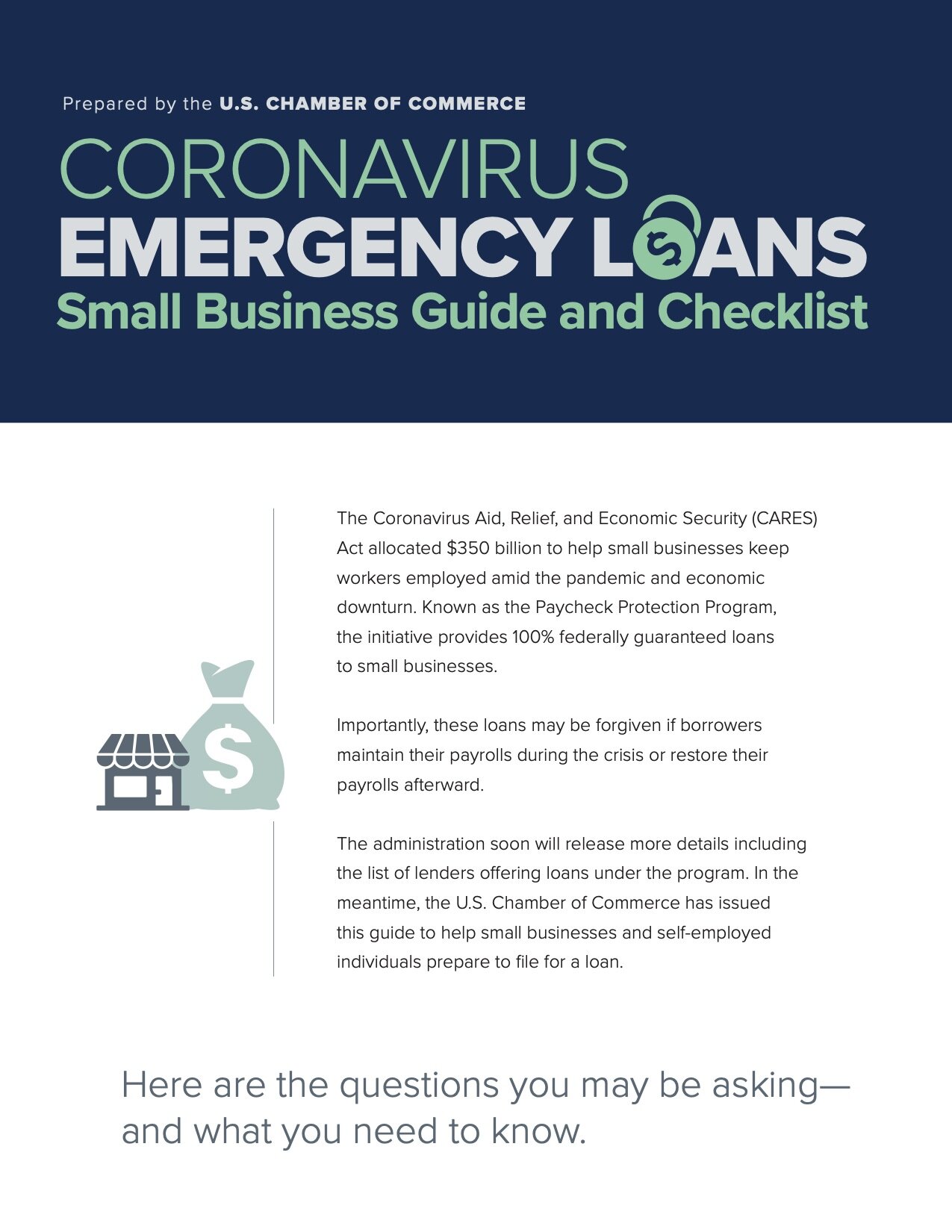
The breakdown below is provided by the U.S. Chamber of Commerce. If you have questions regarding the eligibility of your small business or just general questions regarding your small business give us a call at 724-550-6970. We are all in this together and must do our part to help each other succeed.
The breakdown below is provided by the U.S. Chamber of Commerce. If you have questions regarding the eligibility of your small business, or just general questions regarding your small business, give us a call at 724-550-6970. We are all in this together and must do our part to help each other succeed.


Know Your Exit
Modern business conversations focus heavily on Start-Ups, thanks in large part to the success and rapid growth of many young companies. For each new successful IPO that comes to market there are a multitude of ventures that simply fall short. Often the main reason for this failure is a lack of exit strategy. All new businesses start with a big hairy audacious goal (BHAG), then funnel that into a vision, then a mission, and ultimately a business strategy against which they will execute. Few, however, contemplate how to exit and truly generate ROI for investors.
Modern business conversations focus heavily on Start-Ups, thanks in large part to the success and rapid growth of many young companies. For each new successful IPO that comes to market there are a multitude of ventures that simply fall short. Often the main reason for this failure is a lack of exit strategy. All new businesses start with a big hairy audacious goal (BHAG), then funnel that into a vision, then a mission, and ultimately a business strategy against which they will execute. Few, however, contemplate how to exit and truly generate ROI for investors.

In the following series we will examine multiple methods to extract value from your business. When advising small business owners, I ask that they develop three loose scenarios to cover what I consider three end points for continued success of their business. From these scenarios, we can work on defining potential exit strategies and selling price targets. The three initial targets are: do nothing, grow and transition, and all out sale at a desired price. Each present unique advantages and disadvantages and produce different exit strategies over the life cycle of the business. In theory, this is a constantly moving target based on where you and your business are in the growth cycle.
The do nothing strategy works for owners who are sole proprietors or want to keep a small number of employees. In businesses where the founder is essentially the business, this model would make sense. Following it would result in growth that increased equity, which would get distributed as the owner moves to fund their retirement. This would essentially result in liquidation as the distributions occur to allow for long term, post career planning.
The grow and transition strategy is a little less disruptive and suitable for sole proprietors and any other entity form of small business. Executing this strategy requires transition planning, buy sell agreements, and thoughtful distribution planning. Where do nothing will result in an end of your business, grow and transition allows your business to continue while you step away. In doing so, the pay will shift from a salary to primarily owner distributions. It will also allow any employees to continue operating the business as normal.
The last of these three generic categories is selling your business, whether to another private company or to the public through an initial public offering (IPO). Similar to growing and transitioning your business, selling your business means it gets to live on potentially in perpetuity. There are a myriad of potential issues with either selling privately or taking a company public, but both produce high ROIs for initial investors and you, the founder. In a sale scenario you might no longer have a position, or might lose ultimate control once the deal closes. In going public, you will have a Board of Directors to answer to and market targets to hit. However, given the opportunity to cash in as an owner, and continue with business as mostly normal, may make many of these issues seem trivial.
Regardless of the option, it is imperative to consider your exit strategy at or near start up because it provides a long-term target to execute against. From this initial loose target, you can develop more sophisticated plans to fit your business needs. Contact us today at 724-550-6970 or info@theskeenfirm.com to discuss this integral part of your business.
*Disclaimer: The advice provided is for informational purposes and is not intended as legal advice. It should not be relied on, nor construed as creating an attorney-client relationship.

Your General Counsel - Start-Up
Start-ups and new cycle businesses face unique legal issues as they grow. Our Your General Counsel - Start-up services provide expedient answers/solutions to help new business owners focus on what they do best, grow their business. Our role is that of a strategic business partner, instead of a mere project attorney, shifting the focus for our business objectives to yours. For those businesses not ready for ongoing services ask about our flat fee pricing, so you know your upfront costs.
Your General Counsel – Start-up
Because our business is YOUR business
Start-ups and new cycle businesses face unique legal issues as they grow. Our Your General Counsel - Start-up services provide expedient answers/solutions to help new business owners focus on what they do best, grow their business. Our role is that of a strategic business partner, instead of a mere project attorney, shifting the focus for our business objectives to yours. For those businesses not ready for ongoing services ask about our flat fee pricing, so you know your upfront costs.

Services Included and Pricing (Monthly)

Contact us today to set up your monthly subscription!
Phone: 724-550-6970
Email: info@theskeenfirm.com
*Cancel at any time without penalty. No commitment required.*

General Counsel Solutions for your Small Business
All businesses face issues requiring ongoing legal support as they grow. Most, however, do not have the budget to hire a full-time attorney. Use our Your General Counsel services to bridge the gap.
Business Subscription Services
Your General Counsel
Because our business is YOUR business
All businesses face issues requiring ongoing legal support as they grow. Most, however, do not have the budget to hire a full-time attorney. Use our Your General Counsel services to bridge the gap. Our role is that of a strategic business partner, instead of a mere project attorney, shifting the focus from our business objectives to yours. We take the time to learn your business, grow with your business, and eventually transition your business to your in-house counsel when you hire one. Our mission is to provide the legal advice you need to grow from start up to industry leader. For those businesses not ready for ongoing services, we are launching Your General Counsel - Start-up service to assist with your unique business needs.

Services Include:
1-hour monthly face-to-face or virtual meeting
Unlimited Phone Consultations - 30 minute duration, scheduled at your convenience
Contract review and consultation - up to 5 a month
Contract management – meet your renewal deadlines
One monthly project or Original contract generation
25% discount on all additional firm services
Plans start a $750/Month*
*Plans are individually tailored based on business need following an initial 30-day business assessment. The initial assessment fee is $1500.
Contact us today to discuss your options!
Phone: 724-550-6970
Email: info@theskeenfirm.com
Sole Proprietorship or LLC – How to go about Small Business Formation
There is no time like the present to start your business. With a favorable tax environment and technological advances that act to reduce barriers to entry, working for yourself and calling the shots has never seemed more attainable. For many, the ideas come natural, but every other step in the process is foreign. There are filings, meetings, fees, and an endless list of other associated regulatory measures that keep many from pursuing their dreams. However, with sound, affordable legal guidance anyone can get their ideas off the ground and chase their passions. (Think of how much more successful the Pet Rock would have been with the Internet.)
Formation is perhaps the first major hurdle for any new business. Each designation recognized by the Commonwealth comes with a variety of benefits and potential issues. Making the right determination early will set the stage for long-term success. The following discussion is aimed at clarifying two of the most popular and practical formation solutions.
Sole Proprietorship – This option is the least costly if going it alone. There are less regulatory hurdles, as the government recognizes you as the business, so there is no need to maintain separate financial accounts and accounting methods. The same holds true for taxes, as you will get taxed as self-employed. Potential issues for owners in this structure are sole liability for all business debts meaning you are subject to personal lawsuits for business related activities.
LLC – Limited Liability Company (LLC) is a structure that protects the individual manager/owners/operators from most personal liability for debts and lawsuits brought against the business. An LLC is also considered a pass through entity for tax purposes, depending on the elections during formation, which can shift some of the tax burdens. There are potential significant drawbacks related to filing fees to form an LLC with the state. Once formed there are meeting requirements and ongoing regulatory fees, as well as maintaining operations as a going concern under state law. One major requirement is the separation of banking accounts and other business records. Failing to follow through on these requirements could cost the business at tax time, which is a major setback in the near term and potentially the long term.
While the above addresses a laundry list of benefits and potential issues, it is in no way comprehensive. At The Skeen Firm, we are committed to answering all of your business questions in depth and ensuring your business journey starts with solid footing.
Call us today, at 724-550-6970, or email at info@theskeenfirm.comto schedule a consultation to discuss affordable solutions to start your business and pursue your dreams.
*Disclaimer: The advice provided is for informational purposes and is not intended as legal advice. It should not be relied on, nor construed as creating an attorney-client relationship.
Solutions for your small business
Business Subscription Services
Outside General Counsel
Because our business is YOUR business
All businesses face issues requiring ongoing legal support as they grow. Most, however, do not have the budget to hire a full-time attorney. Use our Outside General Counsel services to bridge the gap. Our role is that of a strategic business partner, instead of a mere project attorney, shifting the focus for our business objectives to yours. We take the time to learn your business, grow with your business, and eventually transition your business to your in-house counsel. Our mission is to provide the legal advice you need to grow from start up to industry leader. For those businesses not ready for ongoing services ask about our flat fee, project-based pricing.
Services Include:
1-hour monthly meeting
Contract review and consultation
Contract management – meet your renewal deadlines
One monthly project or Original contract generation
20% discount on additional firm services
Plans start a $750/Month*
*Plans are individually tailored based on business need following an initial 30-day business assessment. The initial assessment fee is $1500.
Contact us today to discuss your options!
Phone: 724-550-6970
Email: info@theskeenfirm.com